¡おはよう (buenos días), こんにちは (buenas tardes) o こんばんは (buenas noches) según la hora a la que estés leyendo esto!
おはよう (good morning), こんにちは (good afternoon) or こんばんは (good evening) depending on the hour you are reading this!
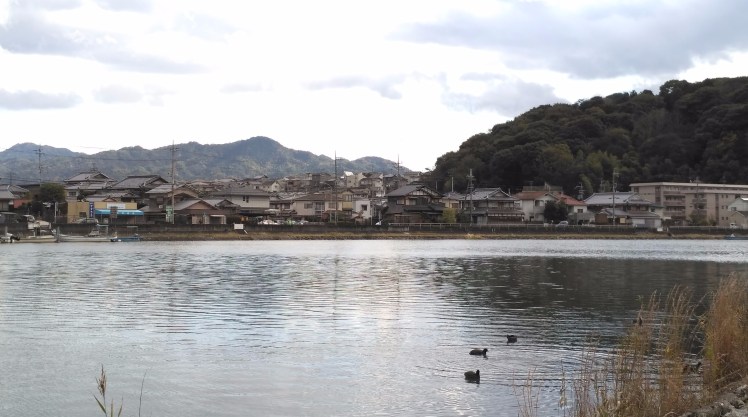
Cada día se aprende algo nuevo aquí, y, entre el viaje que hice por estas islas y las dos semanitas que llevo ya por aquí… ¡He de decir que la lista es larga!
Here, you learn something new every day. So keeping in mind the trip I did last spring and the two weeks that I have already spent around here this time… I must say the list is long!
Y como los españoles somos mucho de comentar todo lo que vemos, ¡aquí dejo 5 de la lista innumerable de cosas que me han sorprendido de Japón! 🙂
And, as Spanish people tend a lot to comment on everything we see… Here you are 5 from my endless list of things that have surprised me from Japan! 🙂
1. Comen lo que sea para desayunar.
They eat whatever for breakfast.
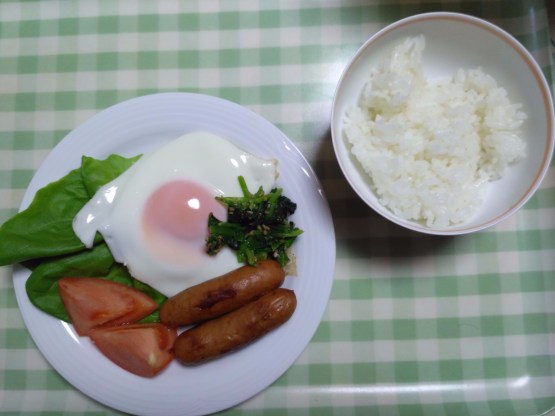
«¿Qué es lo típico que se desayuna en Japón?», me han preguntado más de una vez. Pues cómo queréis que responda esta pregunta… ¡Ojalá tuvieran algo típico que desayunar! Comen lo que sea para desayunar, y con «lo que sea» me refiero a: arroz, salchichas, ensalada, tomate, brócoli, sopa con verduras… ¡Incluso comida típica de almuerzo o cena! Es decir, si tienen sobras de curry, ¿por qué no desayunar curry?
«What is the typical breakfast in Japan?», I’ve been asked more than once. Well, how do you want me to answer this question? If only they had a typical breakfast! They eat whatever for breakfast. And with whatever I mean: rice, sausages, salad, tomato, broccoli, soup with veggies… Even the typical food from lunch or dinner! E.g. if they have leftovers from curry, why not having them for breakfast? That’s their early morning philosophy.

Y yo (los que me conozcáis bien lo sabréis), que soy de mantener a mi estómago acostumbrado a un tipo determinado de desayuno porque si no no hay nada que me entre tan temprano… Yo, sin mi vasito de leche (ya me he tenido que acostumbrar a desayunar agua), sin mi tostada (el pan de aquí se merece una entrada aparte, que la habrá), o al menos cereales a falta de tostada (espero encontrarlos en el supermercado, y a buen precio, cuando me independice)… ¡No soy yo! Y sí, aquí la menda desayuna huevo, lechuga, tomate… ¡Y eso cuando no me ponen algo más raro!
And, the ones who know me well I guess you’d already know this, but I am the one who needs to keep her stomach used to some certain food for breakfast. Otherwise, there’s nothing I can process that early… Without my glass of milk (I’ve already had to get used to having water for breakfast), my toast (bread here is a world apart, you’ll have its post), or at least my cereals (I hope I’ll find them cheap at the supermarket)… I don’t feel normal!
2. El té matcha les vuelve ¡¡¡LOCOS!!!
Matcha tea drives them CRAZY!!!
Para los que no lo sepáis, el té matcha es un tipo de té verde japonés muy pero que muy popular. Está en todas partes. Obviamente en los tés, pero también en helados, galletas, dulces, kit-kats… ¡De verdad que les apasiona! ¡Es su sabor favorito!
For those who don’t know it yet, matcha tea is a type of Japanese green tea which is really, really popular. It is everywhere. Obviously, it is in the tea itself, but also in ice creams, cookies, cakes, kit-kats… Seriously, they’re fond of it! It’s their favourite flavour!

3. Hablando de tés… Los japoneses no beben agua. Beben té. Speaking of teas, Japanese people don’t drink water. They drink tea.
Como lo lees. No sé cómo los millones de habitantes de Japón sobreviven sin beber agua. Vale, estoy exagerando, beben agua. Pero cuando los españoles (y, por supuesto muchísimas otras nacionalidades, aunque luego vienen las rarezas -véase los italianos con el agua con gas…) bebemos agua en las comidas, los japoneses beben ¡¡¡té!!!
As you read it. I don’t know how these millions of Japanese citizens survive without drinking any water. Ok, I am exaggerating, they do drink water. However, while Spanish people (and of course many other nationalities, ‘though then we can find some other ‘strange’ ones who drink sparkling water and so on) we drink water during the meals… Japanese drink tea!!!
Sí, té. Afortunadamente, té sin teína. Pero imaginaos mi cara cuando iba a comer aquí por primera vez y ponen en la mesa una botella como de las de agua pero rellena de un líquido marrón. Marrón. O rojo. O amarillento. Según el día.
Yes, tea. Fortunately, tea with no theine. But imagine my face when I was about to eat here for the first time and they take out a bottle like a bottle of water but filled with a brown liquid instead. Brown. Or red. Or yellowish. Depending on the day.
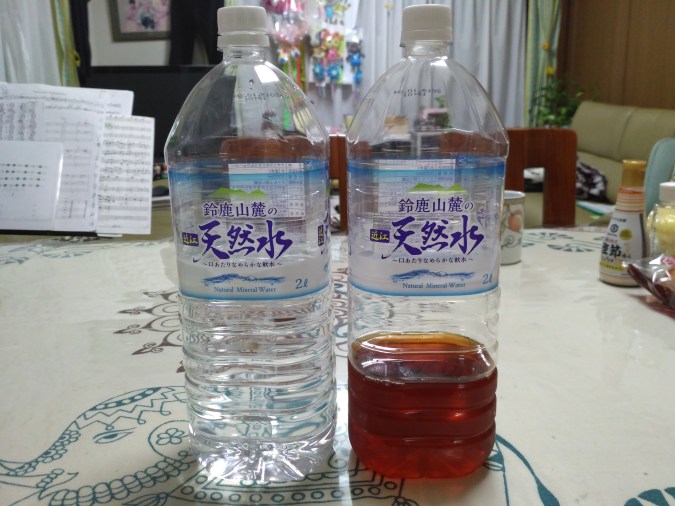
Y, si venís a Japón, que sepáis que en los restaurantes también os pondrán eso. De hecho, así fue la primera vez que lo vi. Fue en un restaurante, así que pensé que era normal al comer fuera. Ya me extrañó, y a la vez yo extrañaba mi vasito de agua… Pero ok. ¡Lo que de verdad me chocó fue verlo en las casas! Así que soy yo la que se bebe todo el agua, que, además, siempre es de botella, ya que tienen la cosa de no beber nunca del grifo (aunque el agua en Japón esté bien y haya de sobra).
So if you ever come to Japan, remember you’ll also find that at restaurants. In fact, that’s how I first tasted it. It was in a restaurant, so I thought it was normal when you go out for lunch or dinner. Yet strange, and I missed my glass of water ‘though, but ok. What truly surprised me was to find it at home! Thus, I am the one drinking all the water from the house, which is actually bottled water, as they don’t like drinking from the tap water (even though it is ok and there are no problems with droughts).
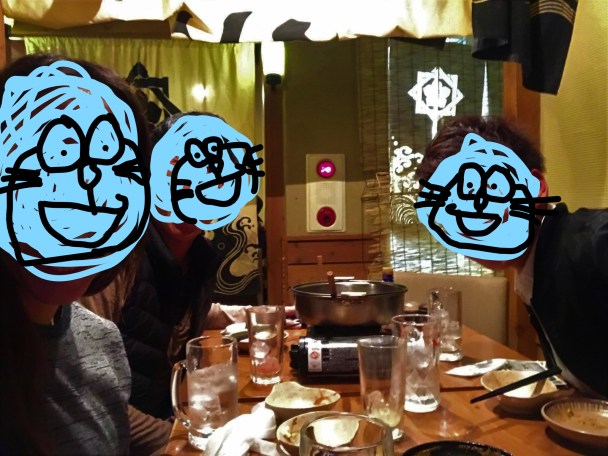
(EXTRA) Y en cuanto al agua, ¡es GRATIS cuando sales a comer fuera! (EXTRA) About water, it is free when you eat out!
¡Yeyyyyy! Además de que puedes comer un menú de ramen, katsudon, curry, etc., por unos 5-7 euros… ¡La bebida siempre es gratuita! ¡Puedes rellenar tu vaso del té ese raro o de agua todas las veces que quieras! Eso sí, aún no me he visto a nadie bebiendo coca-cola, fanta o cualquier otra bebida en un restaurante… E incluso comiendo en un buen restaurante de carne, todos con los que iban pidieron agua. Ya no soy la única que pide agua cuando sale a comer fuera :).
Yeyyyyy! You can order your ramen, katsudon, curry, etc. menu for only 7-10 $, and, what’s more, drink is always for free! You can refill your glass of that strange tea or water as many times as you want! However, I’ve never seen anyone drinking coke, fanta or any other soda drink at a Japanese restaurant… Even when I’ve eaten at a good barbecue restaurant, everyone around me ordered water. Now I am not the only one ordering water when eating out :).
4. El arroz en los restaurantes, también ¡GRATIS!
Extra rice at restaurants, also for free!
Bueno, bueno, esta tiene trampa, ya que realmente lo estás pagando con el menú. Pero a lo que me refiero, es que ¡puedes rellenar tu bol de arroz todas las veces que quieras! Es decir, una vez que te llega tu arroz y te lo acabas, puedes pedir más y más y más 🙂
Well… This is a bit tricky! Actually, you are paying for it when you order the menu… But what I mean is you can refill your bowl of rice as many times as you want!
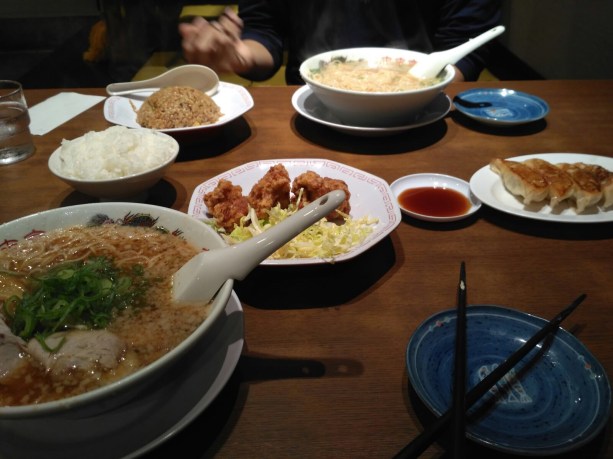
Yo nunca lo he hecho, pero lo veo súper bien. Es como si en España se nos acabara el pan o los picos en el bar y cuando te los rellenaran no te los cobraran. ¿Sería lo suyo, no? 😛
I’ve never done it, but I think it’s great. It is like if, in Spain, we could eat as much bread as we wanted at a bar without paying extra money for it. Idyllic, right?
Y… me da mucha pena tener que elegir una más de mi larga lista, pero… ¡Allá va la última por hoy! And… It makes me sad to choose only one more among my long list of surprising things in Japan but… Here comes the last one!
5. ¿Tienden la ropa en perchas?
Do they hang the laundry on hangers?
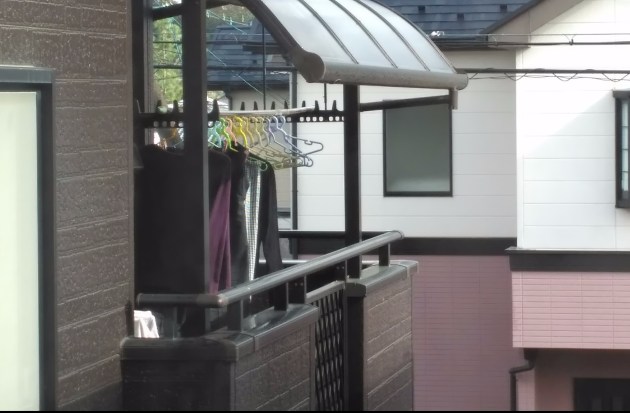
Para empezar, lo que yo me di cuenta cuando vine aquí por primera vez, es que no colocaban un tendedero en el suelo como hacemos nosotros, sino que cuelgan la ropa «arriba». Con «arriba» quiero decir «de unas pinzas que cuelgan de algo que a la vez han de colgar en otro sitio»… Bueno, sé que hablo algo relíao, pero es que es así como lo veo yo, jaja, así que mejor os dejo foto:
First of all, what I noticed when I came here for the first time is that they didn’t use a clothes line as we usually do, but they hang the clothes «up there». And with «up there» I mean «from some pliers that are hung from something else that should be hung somewhere else as well»… Sorry, I know I am not expressing well, but I promise you this is how I see it! Haha So I will leave a photo for you to have an idea:

Pero eso no parece lo mejor… Lo mejor es que (y si no me lo comenta mi amiga Lore no me habría dado ni cuenta, jaja), así es, ¡tienden en perchas! Me di cuenta viendo la ropa tendida de la casa de los vecinos, pero es que minutos después de eso fue cuando caí en la cuenta por primera vez de que efectivamente la casa en la que estoy ¡¡¡está llena de perchas con ropa tendida!!! ¡Y yo lo veía súper normal! (Pensaba que era por hacer mal tiempo y no poder tender fuera al solecito o algo así).
But those pliers are not the most surprising thing… It seems the most surprising one (thanks to my friend Lore, as she is the one made me realize, otherwise, maybe I wouldn’t) is that they do hung the laundry on hangers! I became aware of that for the first time when I saw the laundry from the neighbours, but then, just a few minutes later, I discovered that the house where I’m staying is full of laundry on hangers! And I felt that was absolutely normal! -I thought it was because of the bad weather that they hung like that.
Bueno, ¿qué pensáis? ¿Os parece todo muy raro? Estas son tan solo algunas de las muchíiiisimas cosas que he descubierto por ahora aquí en Japón, y no son ni siquiera las más llamativas… ¡Mis favoritas vendrán en la próxima! 😉
What do you think? Do you find everything strange? These are only some of the maaaany things I’ve discovered so far here in Japan. And they’re not even the best ones! My favourite ones will come next! 😉
 MI PROPIO ÍTACA